



After more than a year and a half of building, testing, and refining, we’re releasing MagicBlock Validator v1.0.
The goal has stayed the same: give developers faster execution, optional privacy, and the flexibility to build real-time applications on Solana, without giving up access to its programs and liquidity. Applications can run close to their users, scale compute on demand, and automate work that would otherwise need extra coordination.
Many of the features in this release are already live. With v1.0, we’ve brought them together on a stronger foundation, improving how the validator performs under load, handles failures, and recovers when something goes wrong.
Here’s what that means for the people building with it.
More room for your application to run
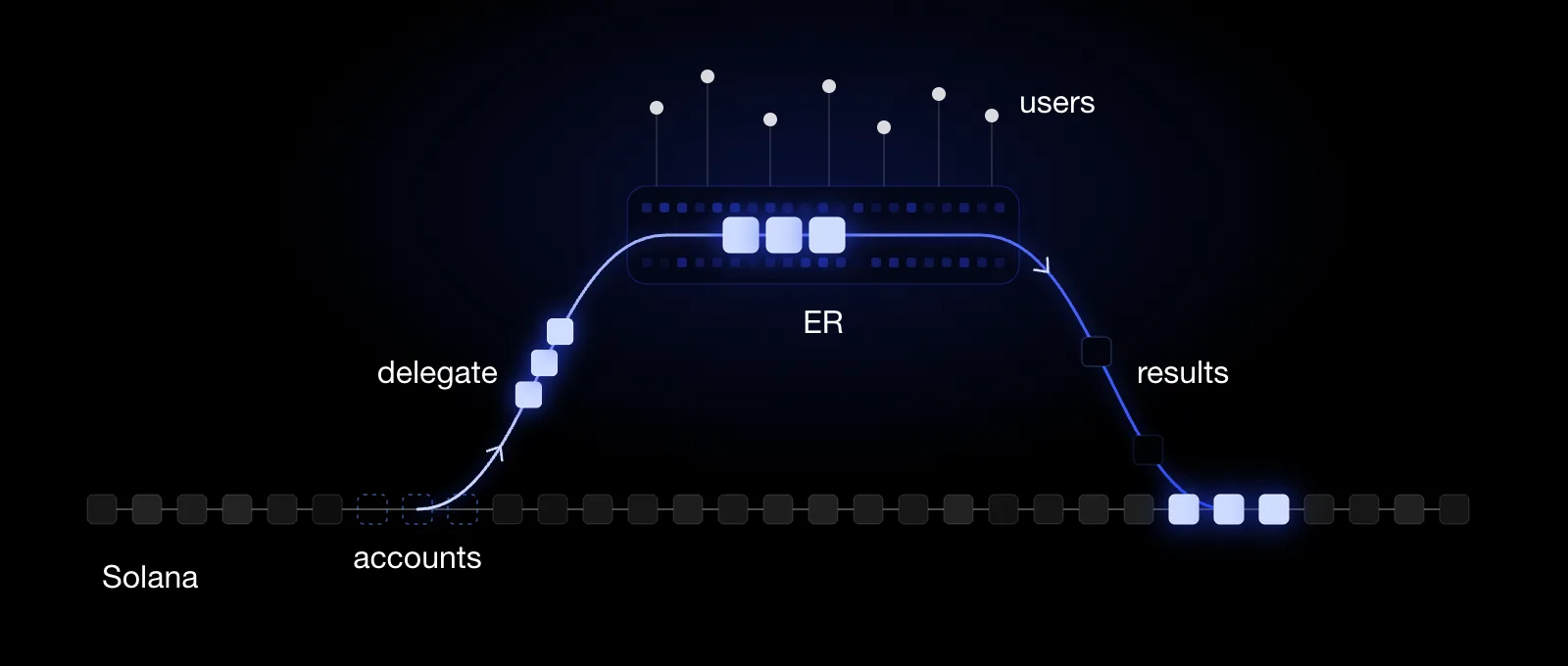
Some parts of an application need to move faster than others. A game might update on every player action. A payment might need privacy. Neither should require moving an entire application to another chain.
MagicBlock’s Ephemeral Rollups let developers delegate just the accounts that need these capabilities. The rollup runs the work close to users, then writes the results back to Solana. While those accounts are delegated, they’re protected against conflicting writes on the base chain.
Your application decides what runs where, and when the results return to Solana. For developers, it’s like having a Solana program as the main thread, orchestrating work on the rollup and eventually reconciling the results onchain.
Tell the validator what needs to happen next
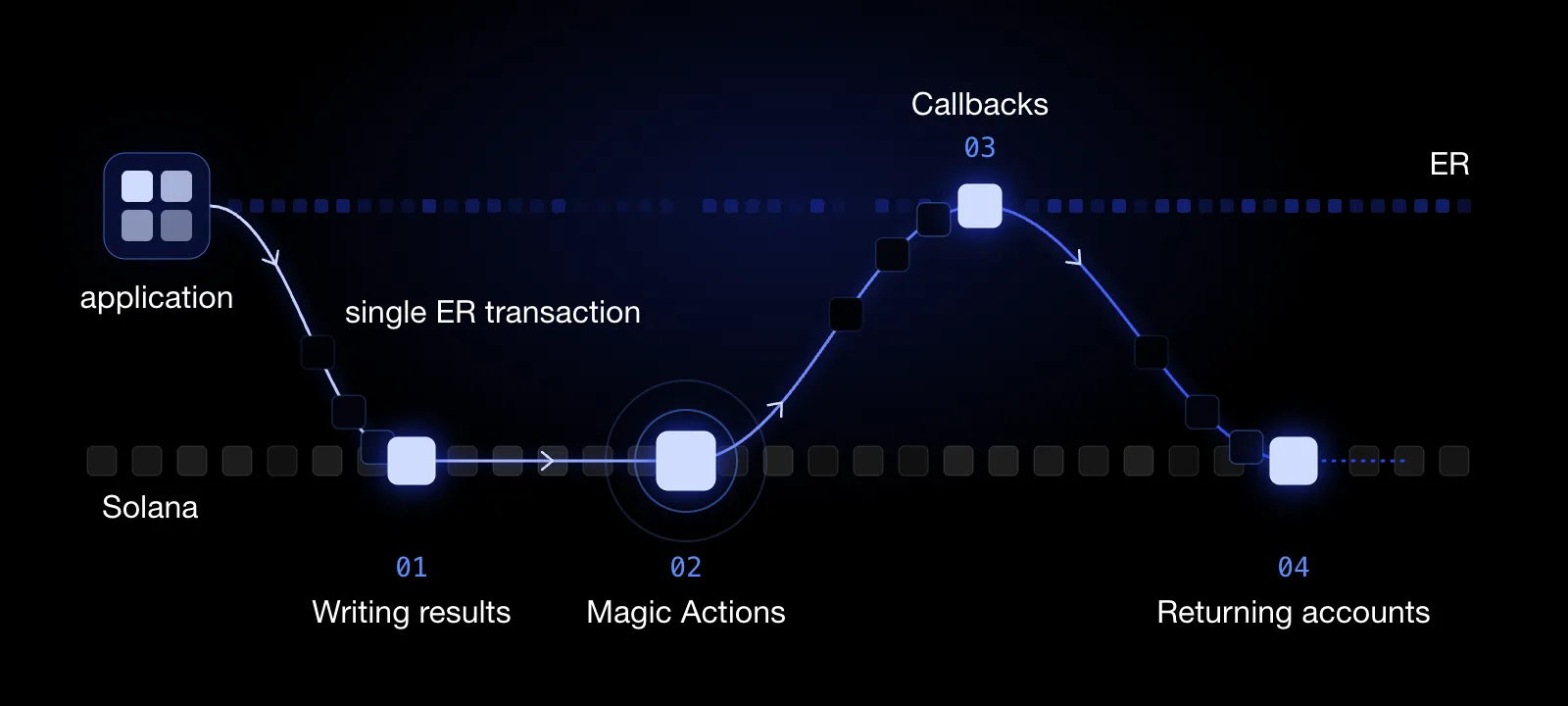
Writing results back to Solana is often only part of the job. An application may also need to complete a payment, call another program, or return control of an account to the base chain.
With intent bundles, developers can request those steps together from a single rollup transaction. The validator takes care of the sequence.
Magic Actions let Solana programs use the updated state during settlement. Actions included in the same Solana transaction as a commit execute atomically with it: if an action fails, that transaction reverts. Callbacks bring the outcome back to the rollup, so the application knows what happened and can respond. Returning accounts to Solana is automated too, removing another process developers previously had to manage themselves.
Cranks can also schedule recurring work, so applications can automate periodic tasks on the rollup.
That means less coordination code and more time spent on the application itself.
Fewer steps between a user and a payment
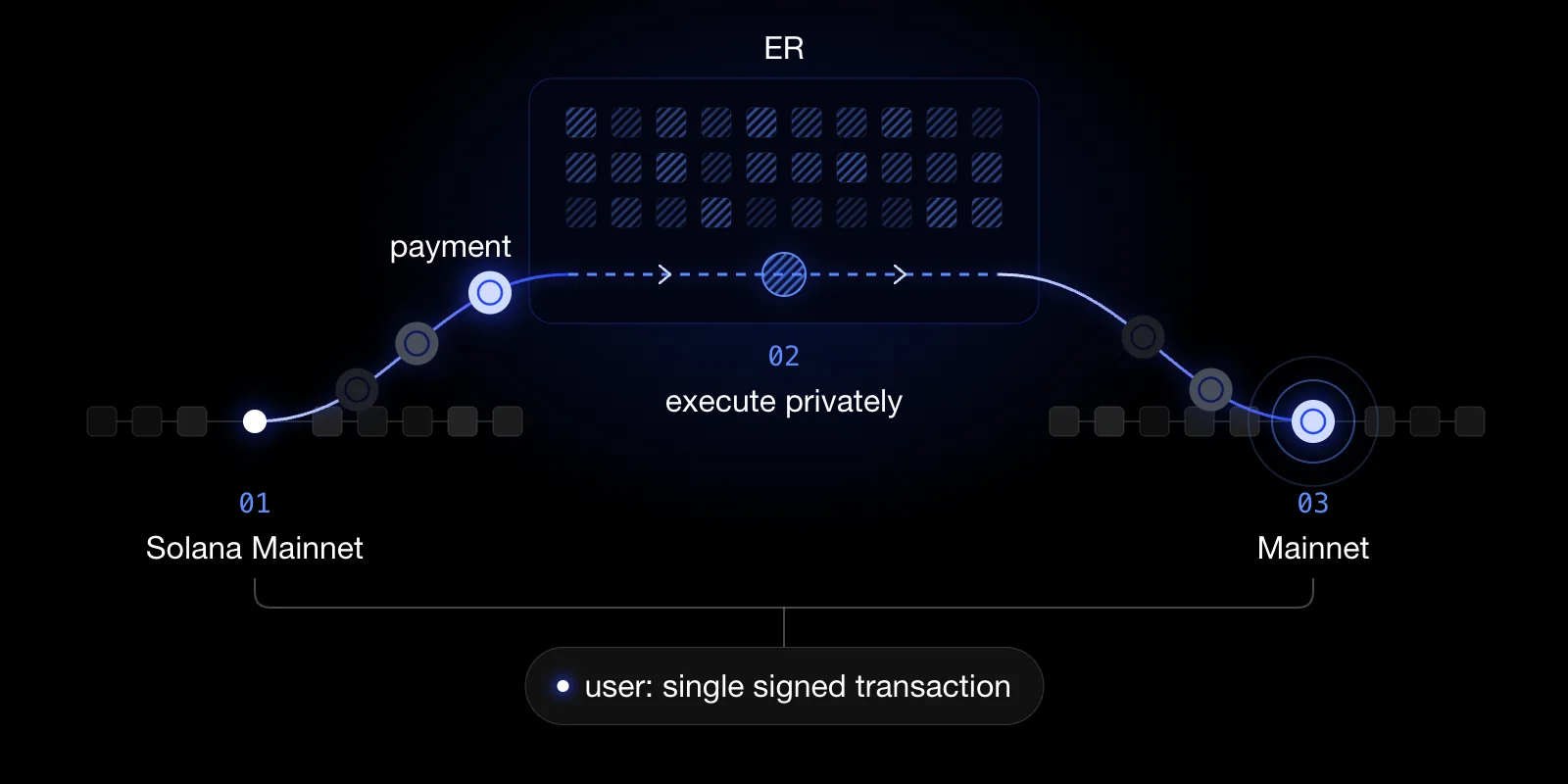
Users shouldn’t have to understand delegation to make a payment.
Post-delegation actions let an application arrange work that starts automatically when an account reaches the rollup. These actions also support encrypted instructions for workflows that need privacy.
Combined with intents, they enable a payment to start on Solana Mainnet, execute privately in a rollup, and settle back on Mainnet. The user authorizes the flow with a single signed transaction; MagicBlock handles the steps that follow.
Token transfers use the same Solana interfaces and SDKs, with gasless execution on the rollup and optional privacy. Magic ATAs let users send tokens to a recipient on the rollup without first creating the recipient’s associated token account on Solana or paying its upfront SOL cost.
For a user, that’s one less setup step before they can get started.
Temporary data should be cheap
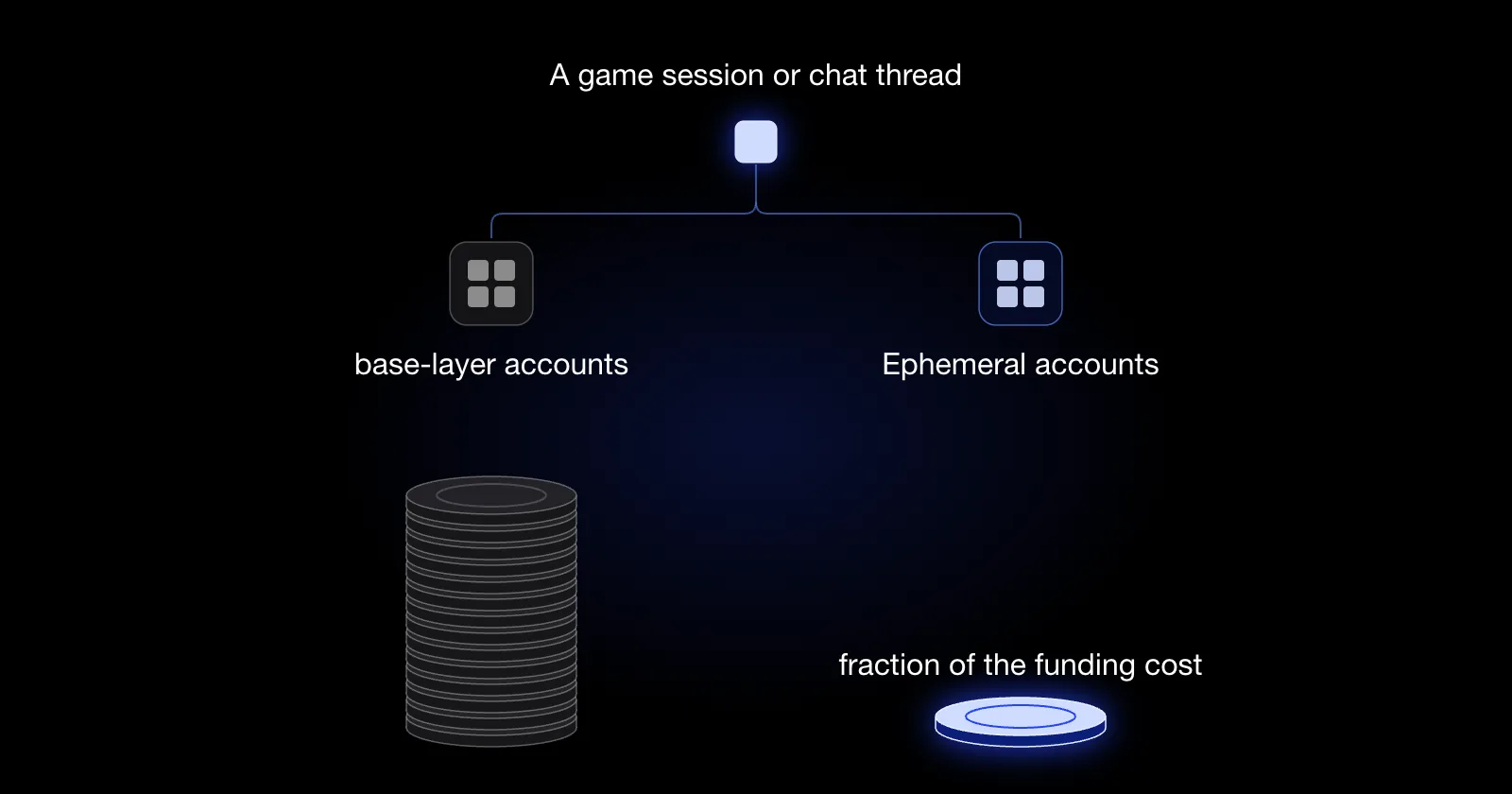
A game session or chat thread can generate plenty of data that has no reason to live on Solana forever.
Ephemeral accounts give that data a home on the rollup. Developers can create, resize, and close them at a fraction of the funding cost of base-layer accounts. When space is freed, the corresponding storage deposit comes back.
Keep the data while it’s useful. Clean it up when you’re done.
The work you notice when things go wrong
For these workflows to be useful, applications need a runtime they can depend on. A large part of v1.0 is work that won’t make for an exciting demo, but matters when people depend on your application.
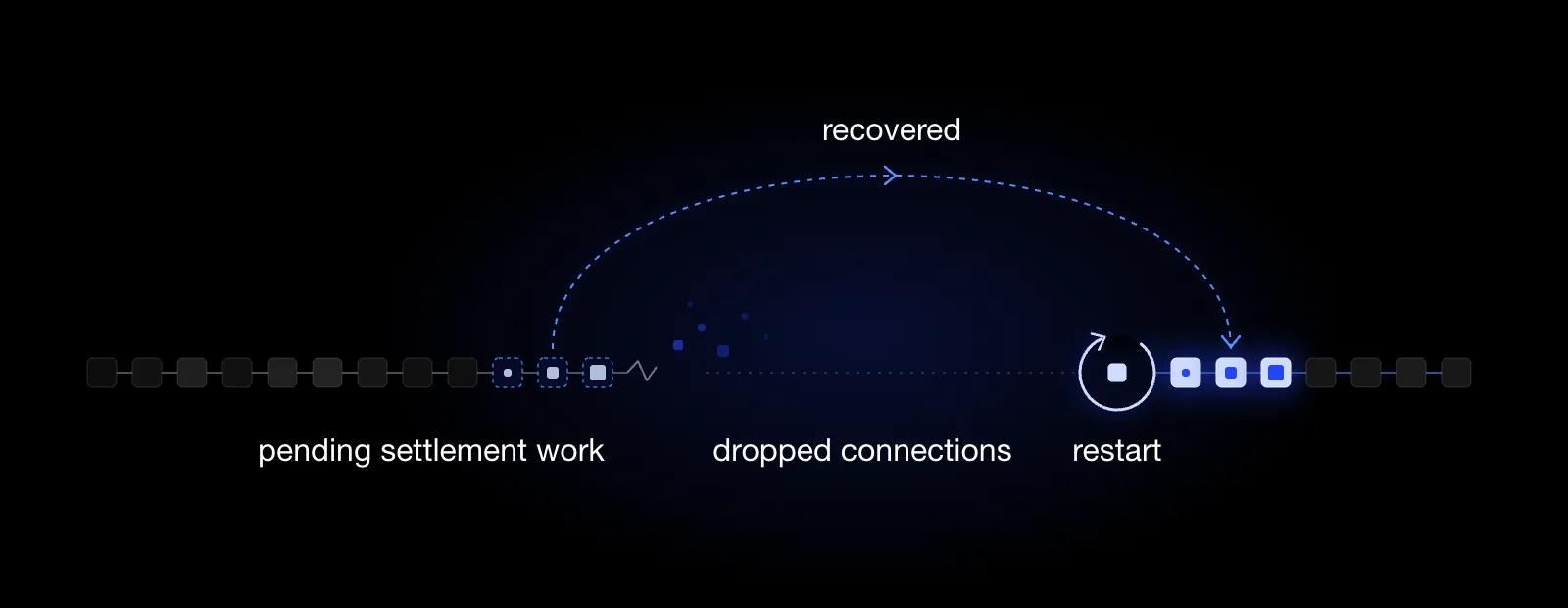
The validator synchronizes accounts more efficiently, handles more work in parallel, and puts less pressure on Solana RPC services. We’ve improved how it deals with delayed updates, dropped connections, and settlement ordering. Pending settlement work can be recovered after a restart.
We’ve also expanded compatibility with Solana programs and tooling, including Token-2022 and improved transaction simulation, and given operators better ways to monitor validators and investigate problems.
State replication is taking shape alongside these improvements. Snapshots, recovery support, and coordination between execution nodes and verifiers lay the groundwork for a more resilient network. Replica nodes are still rolling out, while decentralization and a permissionless network remain important priorities beyond v1.0.
Supporting the network as it grows
Building that network requires more than replication. A more decentralized network needs participants who are rewarded for running and verifying it.
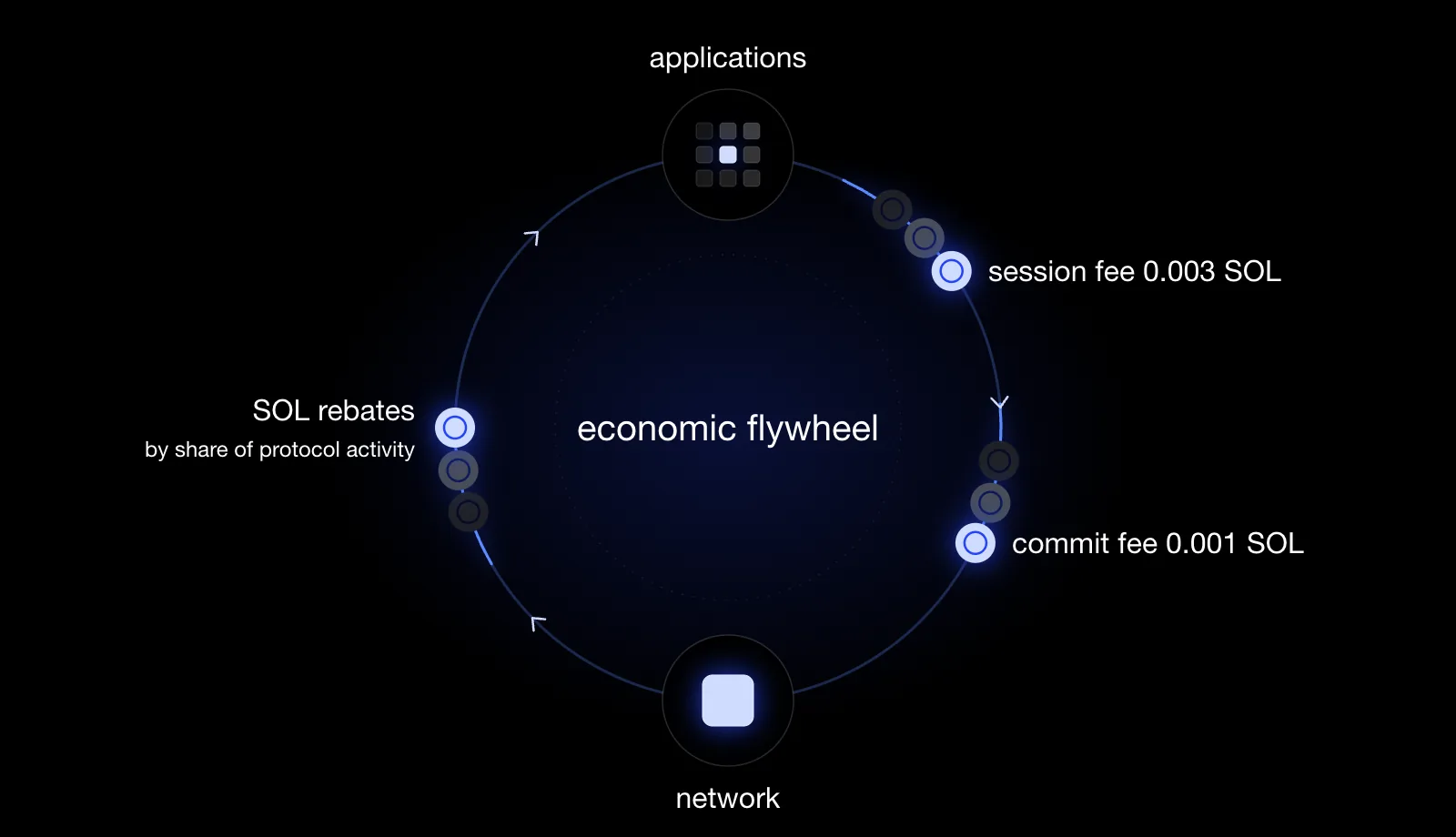
Alongside this release, the delegation session fee will increase to 0.003 SOL, and the commit fee to 0.001 SOL. These fees tie protocol revenue to the work of opening sessions and writing results back to Solana. The value for applications extends beyond storage costs to faster execution, optional privacy, and simpler workflows.
We’re also introducing SOL rebates for addresses that contribute a significant share of protocol activity. We’ve already selected an initial group of active delegators. If you’re building an application and you think you should be included, get in touch.
The SOL rebates are an early step toward the Programmatic Incentives described in our tokenomics: rewards grounded in measurable network usage. Starting with SOL gives us a way to test and refine application incentives before the network token launches. Sustainable rewards for operators and verifiers are also essential to the path toward decentralization.
The goal is an economic flywheel in which real application usage supports the network and rewards the contributors who help it grow.
Keep building with us
v1.0 is a milestone we’re glad to share. It brings together a year and a half of work on making real-time Solana applications faster, optionally private, easier to build, and more reliable to run.
There’s plenty ahead, especially as we expand replication, strengthen verification, and refine incentives. For everyone already building with MagicBlock, thank you for putting it to work.
If you’re getting started, the developer documentation is a good place to begin. The validator repository is there when you want to look deeper. For the full list of changes, read the v1.0 release notes.
If you have questions, contact us on Discord or through our contact form.
We’re looking forward to seeing what you build.


